
Learn
Team building, explained by the people who run it
Guides written from sixteen years and more than a million participants: what team building is, why it works, how to plan it, and what to expect in the room. Each one names its author, its sources and the date it was last checked.
Start here
Why team building works: what it is, what the research says, and how to measure it
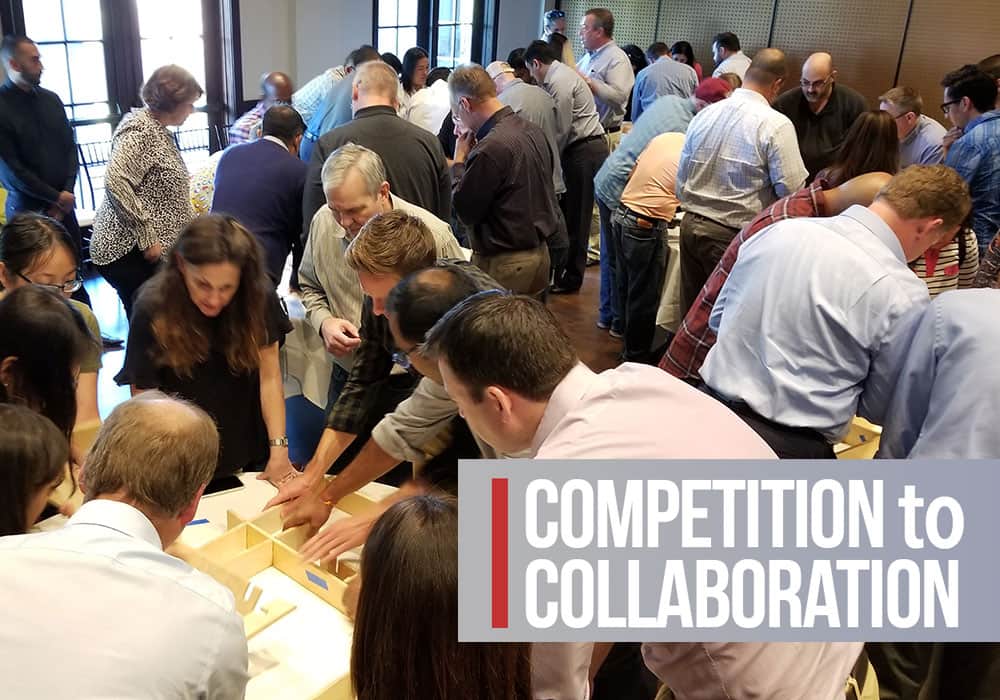
Team building is a facilitated shared experience designed to change how a group works together. It works because it does three things a meeting cannot: it puts people in a low-stakes situation where they have to rely on each other, it gives them a shared memory, and it shows the group how it behaves under time pressure. Run with a goal and measured afterward, it moves engagement, retention and collaboration in ways the research can put numbers on.
11 min read
The guides
Eight guides, one subject
Each guide answers the question in its first paragraph, then goes as deep as the subject needs. They are written to be read in ten to twenty minutes and kept open while you plan.
Why team building works: what it is, what the research says, and how to measure it
Guide 1 · 11 min read
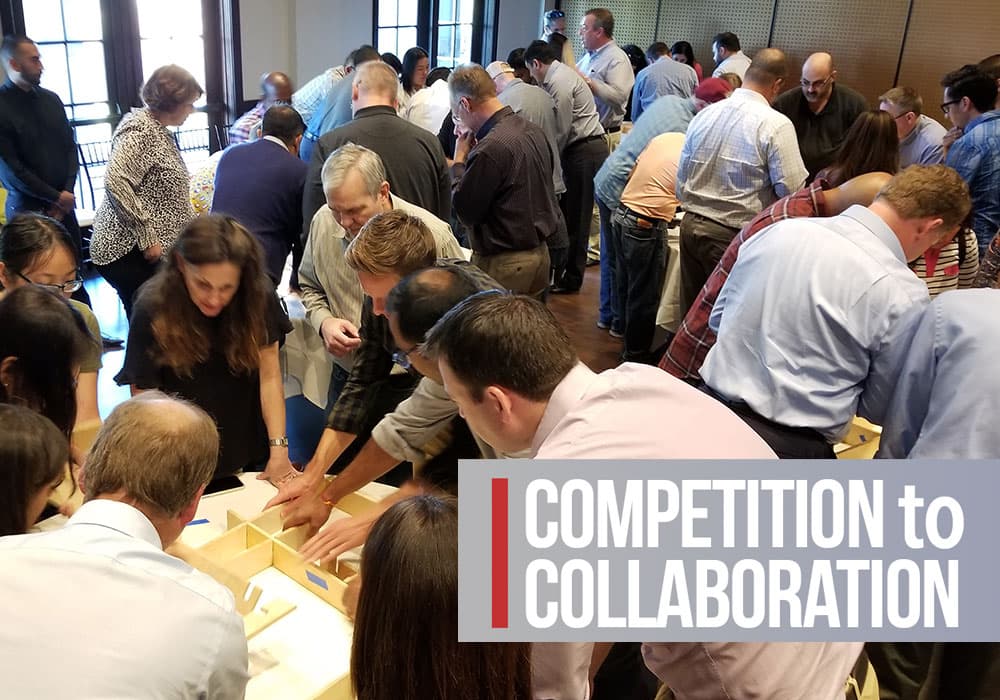
Team building is a facilitated shared experience designed to change how a group works together. It works because it does three things a meeting cannot: it puts people in a low-stakes situation where they have to rely on each other, it gives them a shared memory, and it shows the group how it behaves under time pressure.
How to plan a corporate team building event: goal, group, date, budget, venue, and the company you hire
Guide 2 · 11 min read
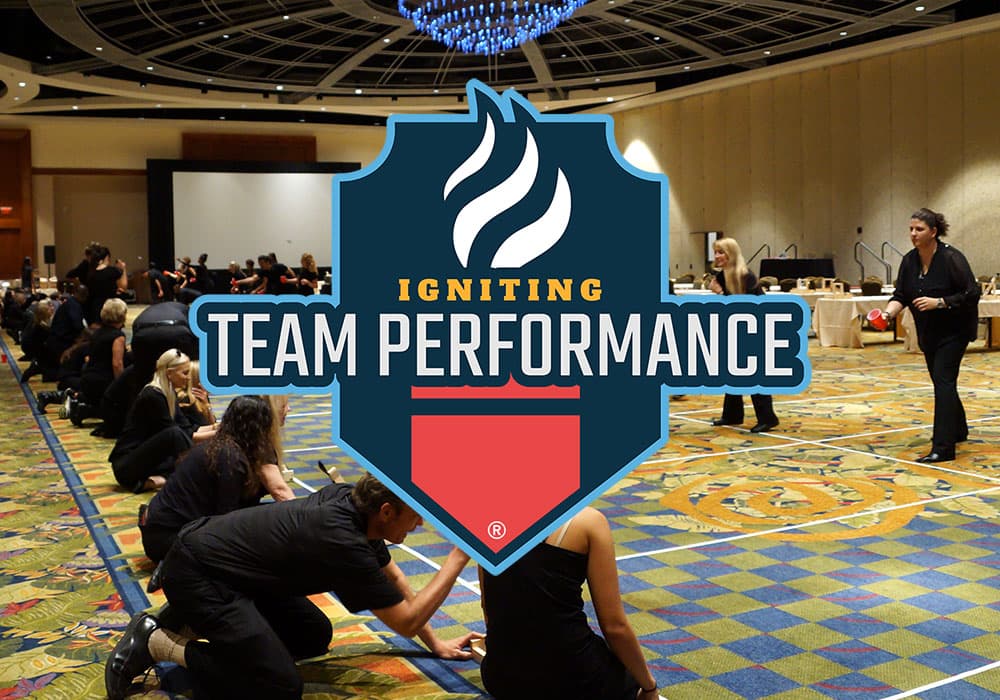
Plan a team building event in this order: name the one goal, count the group, pick the date, set the budget, book the venue, then choose the company. Most planners do it backwards and start with an activity.
Team building for large groups and conferences: how to run one for 100 to 6,000 people
Guide 3 · 14 min read
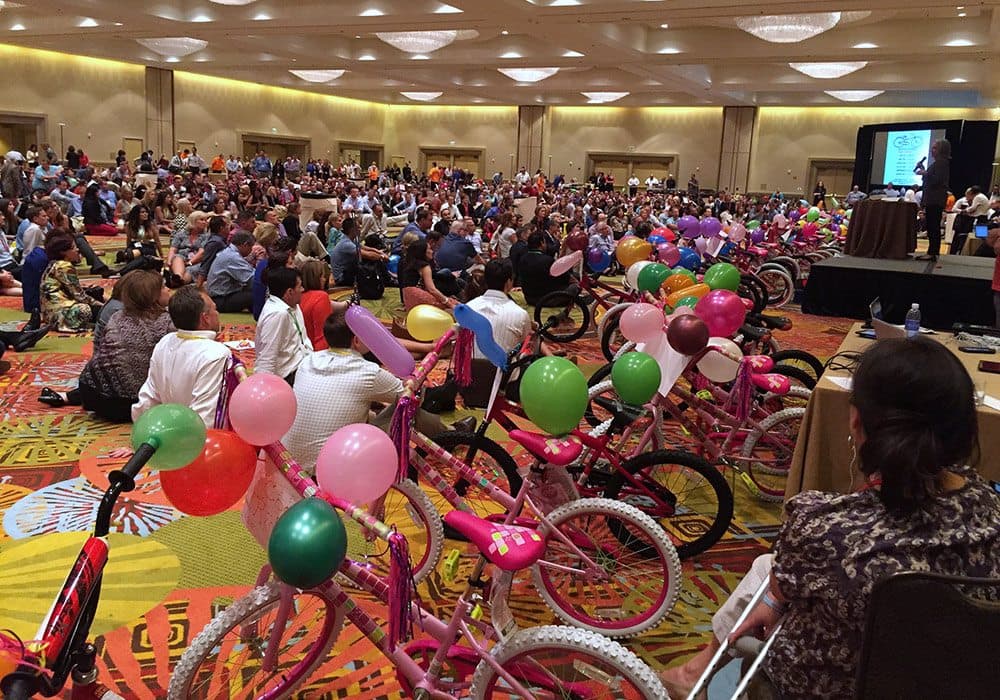
Above a hundred people, team building stops being an activity and becomes a production: the room, the staff, the freight and the agenda slot decide the day more than the game does. The formats that scale run as parallel stations or a single hosted show, in teams of eight to ten, with one staff member for roughly every twenty participants.
Charitable and CSR team building: the buying guide
Guide 4 · 13 min read
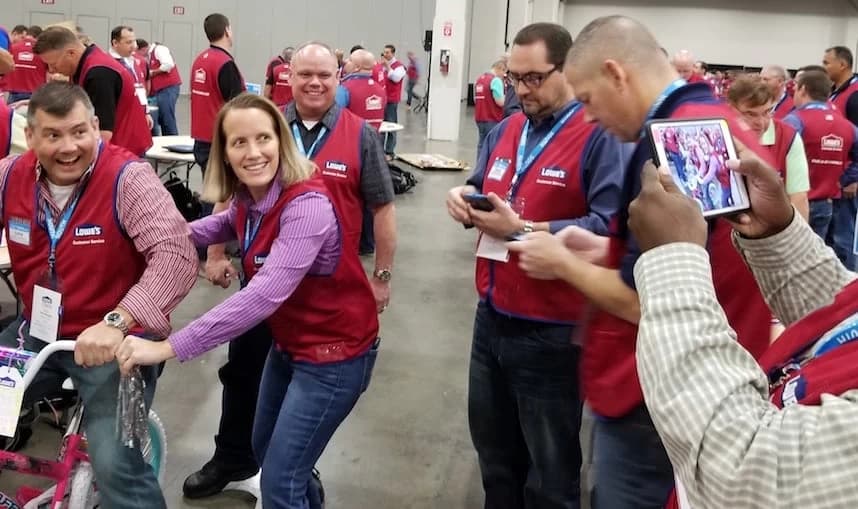
Charitable team building is a program in which the team builds or packs something real, bikes, wheelchairs, care kits, backpacks, and hands it to a named nonprofit, usually in the same room, the same afternoon. It is now about four in ten of everything BEST runs.
Remote and hybrid team building: the guide for distributed teams
Guide 5 · 16 min read
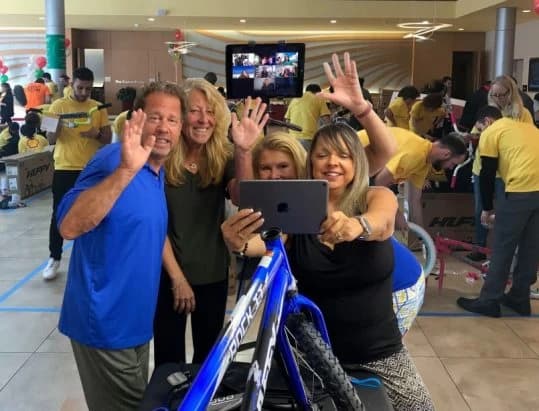
Remote team building is a live, hosted event a distributed team joins by video: a game show, an escape room, a networking round or a workshop, usually sixty to seventy-five minutes. Hybrid puts a room and remote joiners in the same game on one scoreboard.
Team building for engagement, morale and retention: what it can and cannot fix
Guide 6 · 17 min read
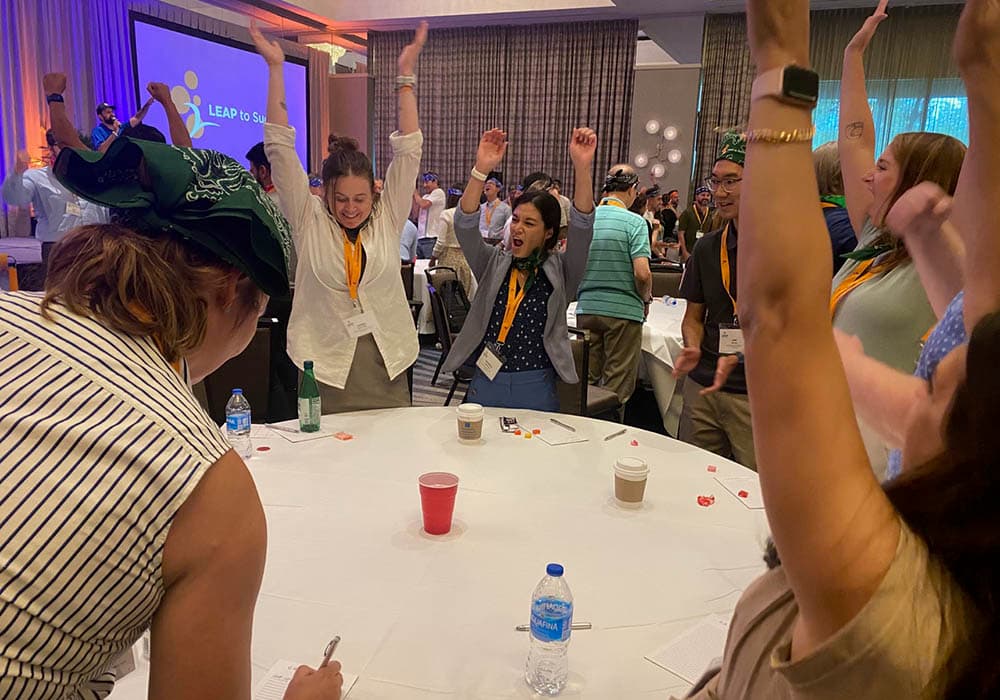
Team building lifts morale the same afternoon and, run regularly, strengthens the two things that keep people in a job: feeling connected to their colleagues and feeling that their work is noticed. It cannot fix pay or workload, and it cannot fix a poor manager, and an event booked to cover for those makes things worse.
Icebreakers and games for work: how to run them
Guide 7 · 18 min read
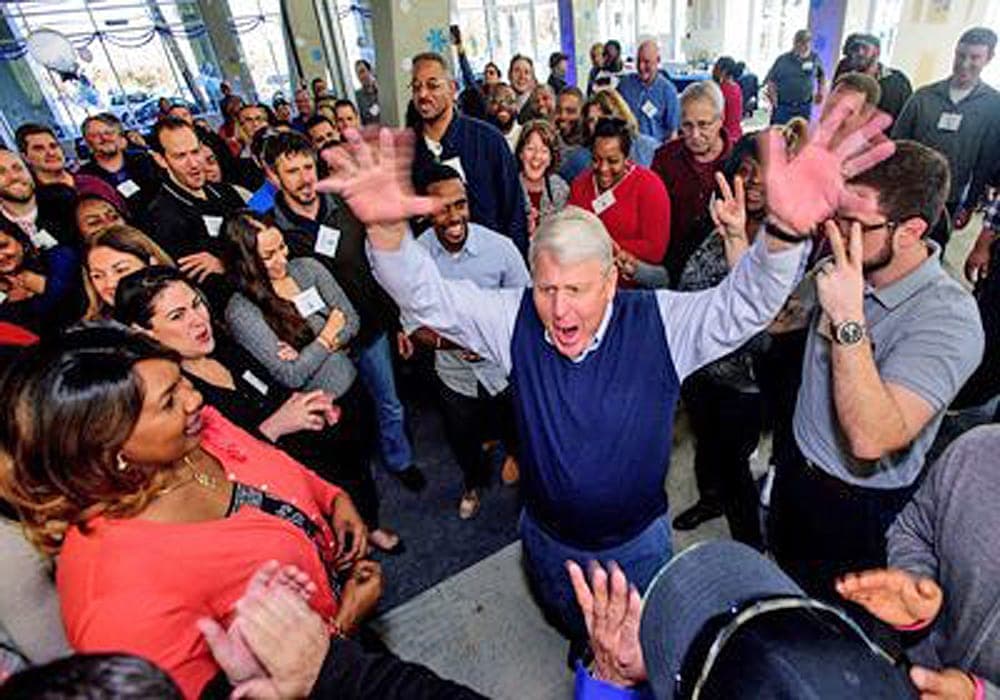
An icebreaker is a short, structured task that lowers the cost of the first conversation in a room. Run well, it takes five to fifteen minutes, gives strangers a job to do together, and hands the group to whatever follows with its energy up.
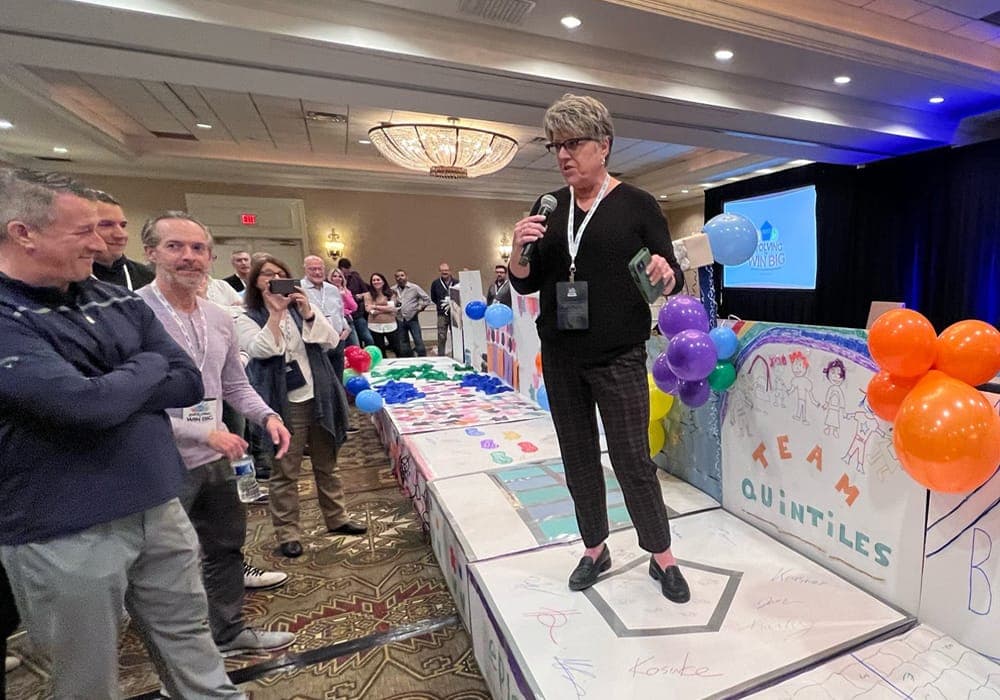
How teams form and communicate: stages, trust, styles and conflict
Guide 8 · 18 min read
A team is a group that has to coordinate to get a result none of its members could reach alone. Teams pass through recognizable stages, run on trust that has to be built rather than declared, communicate through styles that can be learned, and disagree in ways that either help or harm depending on how the disagreement is handled.
Other formats
Shorter reads and downloads
The BEST Move is one tactic a week from our events, with the steps and the research behind it. The eBooks go deeper on a single subject.
The BEST Move
- The Two-Question DebriefTwenty minutes, no facilitator, no budget. These are two questions we use in our own program debriefs, and you can run them yourself in the first week back.3 min read
- Seat them by tenure, not by departmentA five-minute change to a seating chart that changes who talks. Works at an offsite, a breakout, a holiday lunch, or any program you book from us.3 min read
- Name your why before you pick the programMost planners pick the activity first and reverse-engineer the reason. Do it the other way round and about 90% of the menu disappears, including most of ours.4 min read
- All BEST Moves
eBooks
 Your Roadmap to Successful Corporate Team BuildingEverything you need to know to retain, engage, and energize your workforce.
 10 Business Scenarios Where Team Building Leads to SuccessEnhance your company’s performance with proven strategies from our team building book.
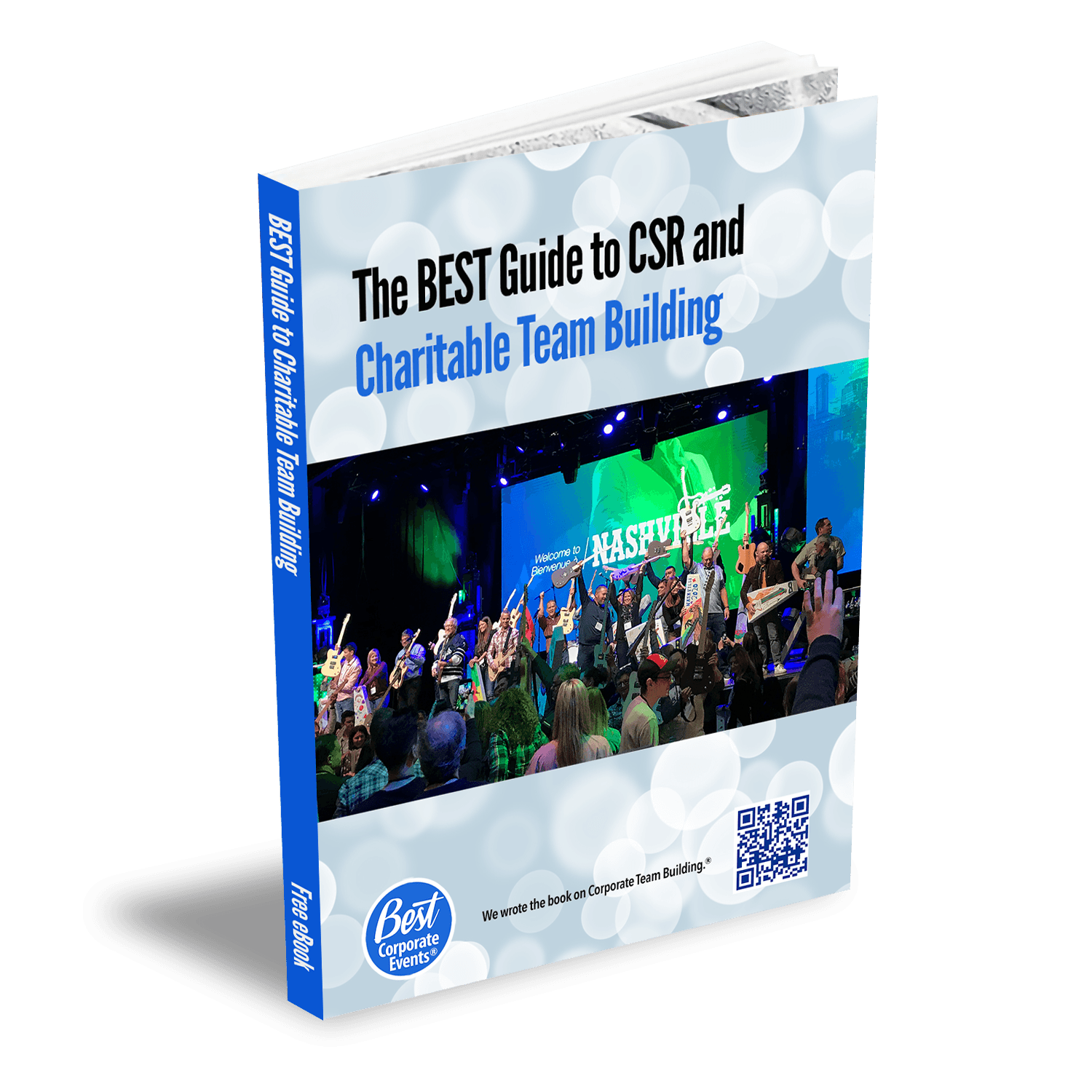 The BEST Guide to CSR & Charitable Team BuildingStrengthen your team while giving back to your community.
 Generational Communication Differences in the WorkplaceBuild stronger teams across every generation.
Ready to put it to work?
Tell us the group, the goal and the date, and a planner will send a same-day quote for the program that fits.