The BEST Moves
Seat them by tenure, not by department
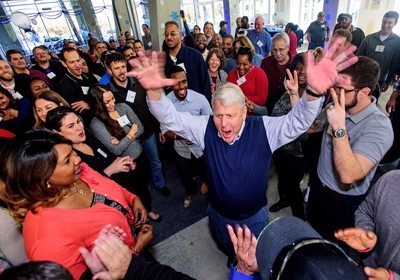
A five-minute change to a seating chart that changes who talks. Works at an offsite, a breakout, a holiday lunch, or any program you book from us.
3 min read The move is free From Generational Communication Differences
How to run it
You can do all of this yourself, on Monday, without calling anybody.
Sort your roster by start date instead of by org chart.
You already have this in your HR system. It takes one export and one sort.
Build every table with a spread of tenure.
A long-timer, someone mid-career, and somebody still in their first year or two, wherever your headcount allows it. Departments get split up, which is the point.
Give the table a task with a deadline, not a conversation prompt.
“Get to know each other” produces weather talk. A timed build, a puzzle, or a scored round produces the actual conversation, because people have to ask each other for help.
Say out loud that the mentoring goes both ways.
One sentence before you start: everyone at this table is teaching something and learning something. Without it, the twenty-year person lectures and the two-year person nods.
Watch out: Do not announce it as a generations exercise. Nobody wants to be the Boomer at table four. Just do the seating and say nothing.
Why it works
The mechanism, not the marketing.
Seating by department buys you nothing, because those people already talk every day. Tenure is the axis where information genuinely does not flow. The person fifteen years in knows things nobody ever wrote down; the person eight months in still notices the things everyone else stopped seeing. Neither has a reason to tell the other, and a lunch table will not create one. A task with a deadline will, because finishing it means asking the person next to you for something. That is why the timed task matters more than the seating chart does: the chart puts the exchange within reach, the deadline makes it necessary.
“Senior members have the opportunity to provide skills, onboarding, guidance, and counsel to someone newer in the workforce, while they learn a great deal from someone from the younger generation.”
Amelia Dunlop in Fast Company, quoted in Generational Communication Differences in the Workplace
Younger staff want range, not a lane
80%
of Gen Z workers say they would prefer a job that lets them explore many new skills over one that has them focus on a single task. A mixed table is exposure to skills they cannot get from their own job description.
Generational Communication Differences
And a path they can actually see
91%
of Millennials weigh the potential for career progression when choosing a job. Sitting them next to someone further along that path is a benefit you can hand out for free.
Robert Walters, in Generational Communication Differences
Where this move came from
Or take the whole book.
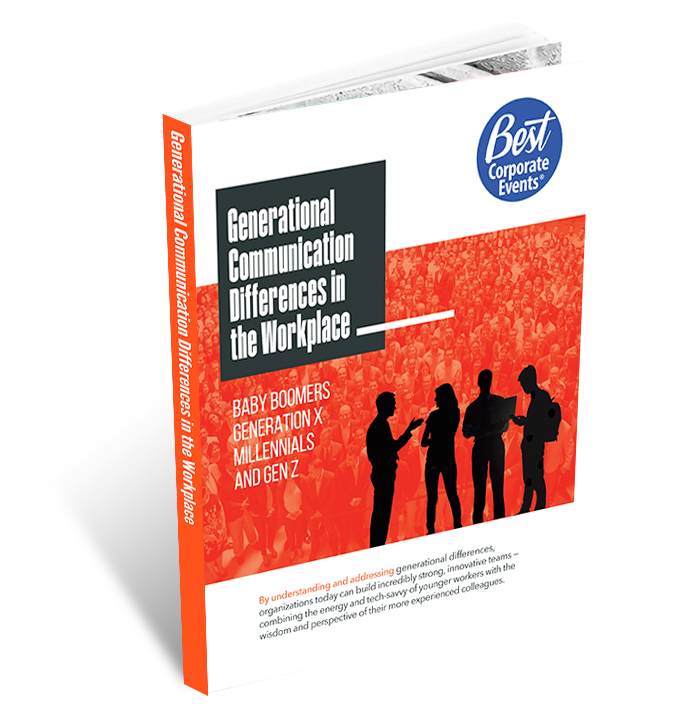
Generational Communication Differences in the Workplace
How each generation prefers to communicate, and seven tips for the room that holds all four.
Send me the eBook
No event in mind yet? Take the reading. PDF straight to your inbox, and a real person follows up — the question at the bottom tells us when that is actually useful.
Activities that do this for you
If you would rather not run it yourself, these are built around the same job.