Amid economic uncertainty, generational change, and worries about the impact of AI in the workplace, strong leadership matters more than ever. Where will tomorrow’s leaders and managers come from? There’s a good chance they’re already employed somewhere in your organization. Like film in an old-time camera, they just need to be developed.
First, however, every organization needs both exceptional leaders and competent managers to thrive in the long term. What sets these two groups apart?
While both make decisions, solve problems, and get work done through others, managers focus on standardizing processes, acting responsibly, and improving the present. Leaders, on the other hand, innovate, act decisively, and create the future.
Those are just a few of the key differences between leadership and management. The essential qualities of the two groups also differ. For example, managers are practical and administrative, while effective leaders are visionary and creative.
This post examines the essential qualities of a leader that foster trust, engagement, and sustained success. The focus is on personal attributes rather than tactical skills and management techniques. Inherent qualities like integrity, courage, judgment, and curiosity can’t really be taught, but they can be cultivated and developed.
Identifying talent, assessing leadership potential, and succession planning should be ongoing activities in every organization. Individuals who demonstrate the key qualities listed here should be encouraged, mentored, and guided to help reach their full potential.
What Makes an Exceptional Leader?
Exceptional leaders can articulate a clear and compelling vision, project confidence in their ability to succeed, and inspire others to follow them and contribute to making the vision a reality. They change the future through mutual trust, respect, and loyalty, bringing out the best in their followers.
Core leadership qualities such as integrity, empathy, accountability, and clarity in communication and purpose shape the workplace culture. The demeanor, priorities, and behavior of exceptional leaders influence decision-making and employee performance, particularly during times of major change or significant challenges.
Succession planning should be guided by identifying and nurturing these key qualities in potential future leaders. Professional development training, combined with mentoring and coaching, enables these employees to strengthen and refine their innate leadership qualities.
Identifying and cultivating these traits early helps organizations build a strong bench of future leaders. This leadership pipeline drives higher performance, enables growth, and improves resilience in adapting to unexpected changes or obstacles.
14 Exceptional Leadership Qualities
Great leaders share key traits that inspire trust, motivation, progress, and most importantly, hope. People follow them because they believe they are helping to create a better tomorrow.
While their personalities and styles differ, nearly all exceptional leaders share, to some extent, the following 14 qualities. Here’s an in-depth look at those qualities along with how they can be cultivated and applied in real workplace situations.
1. Vision
Effective leaders are excellent communicators, able to articulate the company’s mission in clear, concise priorities and simple narratives. A relevant mission statement helps to guide tradeoffs and focus resources under pressure; for example, a customer-focused organization will maintain its customer service investments even during business downturns.
This is perhaps the most crucial quality of a great leader. What defines a leader is that they have followers. And people follow for one main reason: We don’t relate to the present, we relate to the future we believe we have.
2. Integrity & Credibility
Consistency between words and actions helps to establish trust and set ethical standards. “Tell me what you’re going to do, then do it” is a credo that exceptional leaders both personally practice and expect from others. Research has found that the one thing every leader can do to make sure employees are happy and engaged is to “Make sure they can trust in you, your organization, and one another.”
3. Decisiveness with Good Judgment
The best leaders strive to make timely decisions based on the best available data as well as input from their senior leadership team. They welcome dissent, provided it is thoughtful and can be backed up. They balance speed in decision-making with careful consideration of risks and the potential to reverse or modify their chosen course of action if needed.
4. Empathy & Emotional Intelligence
Strong leaders have high EQ and use empathy to effectively coach others, navigate conflicts, and maintain high employee morale and engagement. They apply behaviors like active listening, validating concerns, and considering different perspectives, demonstrating the high emotional intelligence that’s vital for high performance and psychological safety.
Research has found that EQ, more than IQ, makes or breaks leaders. To effectively manage Gen Z employees and prevent quiet quitting, engaged and empathetic leadership is essential.
5. Accountability
Exceptional leaders model accountability while also expecting it across the organization. They take responsibility for their own decisions and actions while giving credit to individuals and teams for their achievements. Clear commitments and follow-through drive reliability and minimize the risk that important initiatives will “slip through the cracks.”
6. Learning Agility & Curiosity
Effective leaders ask insightful questions, encourage experimentation, and debrief teams after major projects to foster thoughtful reflection on lessons learned and mistakes to avoid in the future. They foster curiosity among employees by promoting calculated risk-taking and open sharing of knowledge.
7. Communication Clarity
Top leaders strive to consistently communicate concisely and with clarity. They use language that’s as simple as possible (but no simpler) to avoid confusion and deliver updates regularly, helping managers, employees, and teams stay aligned. By conveying information clearly and encouraging activities that enhance communication skills in the workplace, they ensure that employees understand their goals, roles, and next steps.
8. Inclusion & Psychological Safety
Ideal leaders create an environment where employees are encouraged to speak freely and feel heard. They’ll use stand-ups and similar practices to make sure everyone has the opportunity to contribute. Activities that promote and ensure inclusion ultimately lead to better ideas and create a welcoming workplace.
9. Resilience & Calmness Under Pressure
The best leaders are unflappable. They don’t panic, but maintain a confident tone and reframe setbacks as opportunities to learn and try different approaches. By being a steady hand, they reassure employees and keep teams focused and on track.
10. Courage
Exceptional leaders have the courage to stand by their principles when facing difficult choices or ethical conflicts. Their tenacity is not about being fearless but rather about acting with integrity when the path gets rocky and the outcome is uncertain.
11. Strategic Thinking
Exceptional leaders look beyond immediate tasks to understand long-term implications, competitive dynamics, and second-order effects. They connect dots across functions, anticipate future challenges, and align today’s decisions with tomorrow’s goals, ensuring short-term wins don’t undermine long-term success.
12. Adaptability to Change
Great leaders recognize that change is constant. They remain flexible when assumptions shift, help teams let go of outdated approaches, and guide people through uncertainty with transparency and purpose. By normalizing change, they reduce resistance and accelerate the adoption process.
13. Self-Awareness & Humility
Great leaders understand their own strengths, blind spots, and the impact they have on others. They seek feedback, admit mistakes, and remain open to learning. Humility doesn’t diminish authority; rather, it enhances credibility, builds trust, and creates opportunities for better ideas to emerge.
There’s an old adage that says, “As hire As, and Bs hire Cs”. While weak leaders feel threatened by surrounding themselves with the most innovative, most capable team available, strong leaders “recognize and want to work with other talented people, so they hire them. Top talent realizes that the best way to move their project or company forward is to put the best possible people on it.”
14. Bias for Action
While thoughtful and data-driven, exceptional leaders avoid analysis paralysis. They encourage progress over perfection, test ideas quickly, and learn through execution. A bias for action keeps momentum high and helps organizations outpace more cautious competitors.
How to Evaluate Exceptional Leadership in Action
Outstanding leadership reveals itself through consistent behaviors and real-world decisions, not just edicts or titles. Exceptional leaders “walk the walk,” clearly communicating their expectations and standards for the organization through their actions as well as their words.
Though traits like adaptability, empathy, and integrity can’t be quantitatively measured, they can be observed through how leaders respond to challenges and guide others. Effective leaders are decisive but seek input before making decisions, and they exemplify their desired workplace culture by modeling behaviors such as mutual respect and accountability.
Utilize tools such as 360-degree feedback and behavioral scorecards, which balance multiple perspectives and types of evidence, to reduce bias and create a more comprehensive picture of employee performance. Include the manager’s evaluation along with self-assessment and peer reviews.
However you choose to structure that evaluation and weigh goal and outcome metrics, such as key performance indicators (KPIs), develop a simple, repeatable framework to keep your leadership assessments fair, structured, and comparable across teams.
How Can Leaders Develop Exceptional Leadership Qualities?
Becoming an exceptional leader is an active, ongoing process built through deliberate habits, mentoring, and business coaching. Although innate qualities like curiosity and integrity are vital, most people aren’t born leaders; instead, they cultivate vital leadership characteristics over time.
It takes a combination of professional development training, focusing effort on growth areas, setting clear behavioral goals, and incorporating coaching feedback into daily routines to become a great leader.
Team Building That Reinforces Leadership Qualities
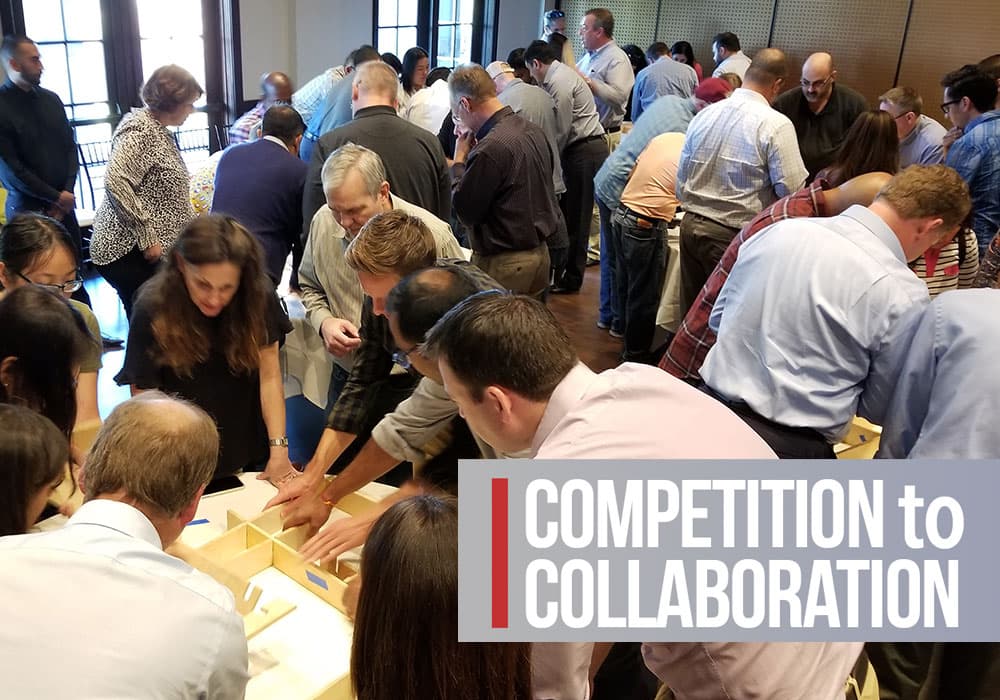
Team building programs reinforce principles from training and coaching by putting those lessons into practice. Experiential learning accelerates the development of leadership traits, including empathy, clarity, courage, and inclusivity.
To build and reinforce key leadership qualities, engage regularly in programs that simulate decision-making under pressure and cross-functional problem-solving. Help your future leaders develop vital skills through professional development workshops such as Conflict Resolution Training and Leading Virtual Teams.
Turning Core Leadership Qualities Into Culture
Consistent, values-driven leadership enables organizations to create and maintain a high-performing workplace culture. Building leadership “bench strength” allows businesses to sustain that high-performance culture over time and as the organization expands.
From entry-level employees to the C-suite, small, intentional behaviors can boost trust, accountability, and collaboration throughout the organization. Great leaders teach and encourage these and other vital qualities through both their communications and their example.
Ready to take the next step in assessing and developing leadership potential across your organization? Explore our customizable leadership workshops that help create and scale these qualities across all leadership levels. When you’re ready to start a conversation about your specific needs and how we tailor programs to meet your goals, contact us. We look forward to talking!