Investing in your employees’ well-being requires a clear understanding of their overall wellness, including any issues negatively impacting their physical, mental, and economic health.
Unearthing the root causes of such issues will require a strategic approach, starting with conducting an employee wellness survey. An employee wellness survey can help your organization understand the factors that negatively affect your employees’ well-being and performance.
This article will cover why you should conduct regular employee wellness surveys and how to design and distribute them. We’ll also address what you need to do to analyze the results and make the changes your employees and organization deserve.
What Is an Employee Wellness Survey?
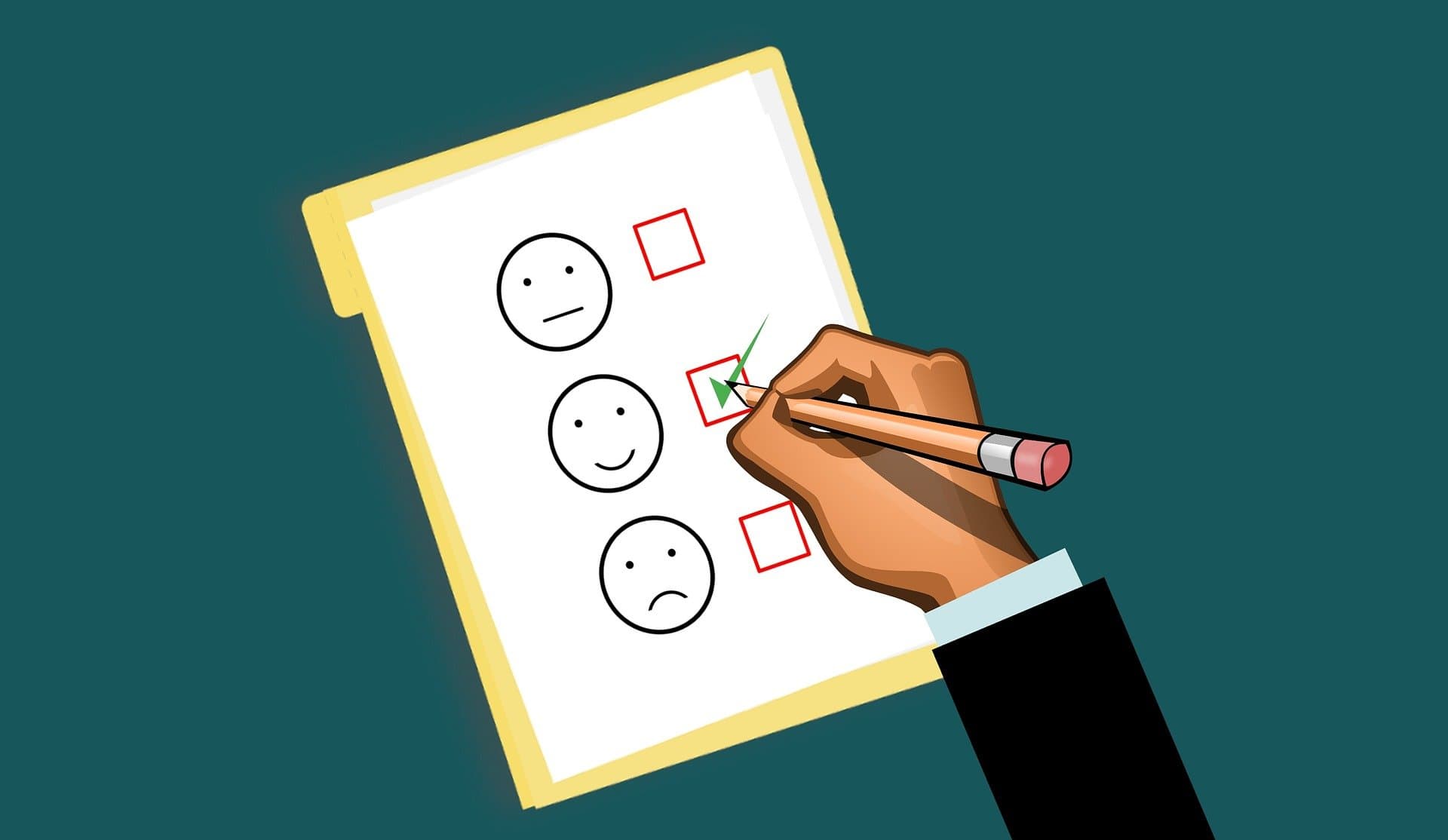
An employee wellness survey is a confidential questionnaire employers use to gauge and analyze their employees’ overall well-being. The survey includes questions relevant to all aspects of employees’ wellness, including their:
- Physical health
- Mental and emotional health
- Work-life balance
- Financial security
- Job satisfaction
- Workplace culture
- Access to resources that improve well-being
Why Employee Wellness Surveys Matter
Employee wellness surveys provide employers with clear, data-driven insights into the well-being of their team members. Access to survey results enables HR staff and other leadership to analyze and identify patterns or trends early, so they can create new policies, revise existing protocols, and invest in customized wellness resources. Such proactive measures improve employee wellness and even prevent severe issues, such as employee burnout or quiet quitting, and resignations.
By administering ongoing wellness surveys semi-annually, annually, or as necessary, employers can analyze the effectiveness of their wellness-focused strategies via measurable outcomes, such as:
- Improved productivity
- Less turnover/stronger employee retention rates
- Reduced absenteeism
- Fewer healthcare/medical claims
- Improved morale
How to Conduct an Employee Wellness Survey Effectively
Creating and disseminating the proper employee wellness survey is unique to every organization, requiring careful planning, clear communication, and consistent follow-through. Taking your time is essential. That way, you can later implement tailored solutions to address your employees’ unique wellness needs.
Ensure Anonymity and Psychological Safety
Your employees need to feel safe when addressing questions that ask about intimate aspects of their personal and professional wellness. Keeping your employee wellness survey anonymous and confidential will ensure the necessary level of safety, encouraging honest, uncensored responses.
Also, consider using an anonymous survey tool or a confidential third-party platform to protect your employees’ personally identifiable information (PII) and their overall privacy. Doing so will give your team an added layer of assurance that their identities and responses are protected and ultimately respected.
Define Your Objectives
Spend some time from the get-go clearly defining your objectives. Doing this will help you create meaningful survey questions that inspire responses more likely to yield actionable data for your organization. As a result, you’ll be able to design wellness initiatives tailored to your staff’s unique needs.
Keep It Short and Focused
Assessing employee wellness is an ongoing process. So, there’s no need to stuff any one survey with dozens of questions. Instead, aim to include 10-20 questions per survey. That way, you keep employees engaged while reducing survey fatigue and maximizing completion rates.
Communicate Purpose and Timelines
In addition to reassuring your employees that the wellness survey is confidential, you’ll also want to communicate the purpose of administering the survey in the first place. Emphasizing your organization’s ongoing commitment to workplace well-being will increase participation rates and build trust in the process.
Promote Participation Across All Levels
To fortify employee well-being and ultimately improve workplace culture, it’s best to encourage all-hands-on-deck from the beginning. You can invite everyone in your organization to participate by:
-
- Encouraging employees to complete the survey on the clock instead of during their off time
- Displaying survey completion rates in real-time to inspire widespread participation.
- Having C-suite executives complete the surveys and encourage employees to do the same via memos, emails, etc.
- Sending regular reminder emails
- Incentivizing participation through gift cards, giveaways, paid time-off, and other rewards.
15 Employee Wellness Survey Questions to Ask Your Team
Populate your employee wellness survey with 10 to 20 questions tailored to your employees’ and organization’s needs. Here are 15 questions to get you started. You can customize each one to align with the size of your organization and wellness priorities.
1. On a scale of 1-10, how would you rate your overall well-being at work?
Starting with a question that asks employees to rate their overall well-being in your organization will give you a bird’s-eye view of how they feel about their work environment. Such a high-level metric is simple to analyze, and you can easily segment responses by department or other employee demographics.
2. How often do you feel stressed or overwhelmed at work?
Your employees’ responses to the question about how frequently they feel stressed at work will aid you in determining their risk for burnout or increased absenteeism, while also allowing you to identify patterns and trends among particular segments of employees or departments.
3. Do you feel you have a healthy work-life balance?
First, asking your employees if they have a healthy work-life balance shows them that your organization values them as people, not just as employees. This question will give you an intimate glimpse into whether they may be grappling with problems, such as unbearable workloads or other boundary issues.
4. Does your manager support your wellness and well-being?
Including this question on your wellness survey will help you determine how effective your managers and other leaders are at acknowledging and supporting staff well-being, such as providing a safe space to discuss issues that may be negatively impacting their well-being.
5. Do you have access to the mental health resources you need?
It’s vital to ask your employees whether they have access to the necessary mental health resources for several reasons. First, if respondents answer no even though your organization has resources in place, the results will reveal a lack of awareness of those resources. In the same light, a negative response could indicate that staff are using the resources you have in place, but they’re proving inadequate for their individual needs.
6. How comfortable do you feel discussing mental health concerns at work?
Responses to this question will help you analyze whether employees have the level of psychological safety they need, or whether stigma or other factors are preventing them from addressing mental health concerns in your organization.
7. Do you have the physical resources you need to work comfortably (ergonomic setup, equipment, etc.)?
Inquiring whether your staff (especially your hybrid and remote team members) have everything they need to fulfill their job responsibilities will help you identify barriers or gaps that are hindering productivity, morale, and more.
8. How often do you feel physically exhausted after work?
By asking staff to report how frequently they experience physical exhaustion at the end of the workday, you’ll identify the likelihood that they are under physical or mental strain (which also impacts their physical health). This question will also help you gauge whether staff are overworked or the likelihood of burnout.
9. Are you satisfied with your current level of flexibility and autonomy?
Determining whether your team members are satisfied with their work arrangements and whether they have the flexibility in their schedules or workdays they need is a vital factor in assessing their overall wellness. Additionally, a perceived lack of autonomy can negatively affect your employees’ sense of ownership of their work and their overall job satisfaction.
10. Do you feel connected to your colleagues and team?
This question is crucial for hybrid and remote employees. Here, you’ll be able to measure their social wellness and identify potential risks of isolation or other factors that could negatively impact morale and workplace culture.
11. How well do you sleep on work nights?
Staff need to be well-rested to feel and perform their best. Sleep quality is a top indicator of overall stress levels and wellness. Knowing how well they do (or don’t) sleep will give you valuable insights into their overall well-being.
12. Are you aware of the wellness programs and benefits available to you at work?
Determining whether your team knows about the wellness programs and staff benefits you have in place will reveal gaps in communication and the extent to which those resources are underutilized.
13. Have you experienced burnout in the past six months?
Employee burnout is a serious issue that impacts the well-being of your staff and organization. Survey questions on burnout will provide you with critical data to analyze and use to stage an immediate intervention and provide the support your employees deserve.
14. What wellness programs or resources would be most valuable to you?
An open-ended or multiple-choice survey question gives employees an open mic to tell you exactly what they need to be as healthy and productive as possible. Here, you can assess their needs and identify trends or patterns to prioritize particular wellness resources and investments in the short term and over time.
15. Is there anything else you’d like to share about your wellness needs?
Finally, allow your employees to disclose their unique wellness needs to you, particularly by providing personalized insights they couldn’t share by answering other survey questions. An open-ended question at the end of the survey also shows your team that you’re invested in listening to them and in providing what they need to thrive.
How to Analyze and Act on Employee Wellness Survey Results
With survey responses in hand, you can now analyze the results for trends and other insights. You’ll have a lot of data on your hands, so we recommend prioritizing policy or benefit changes and new initiatives based on the following:
- Severity of the issues negatively impacting employee well-being
- Frequency and how widespread specific issues are (e.g., burnout, etc.)
- Feasibility of implementation, determining what will give employees the most relief as quickly as possible (depending on the issue).
Not all wellness initiatives are complex or require long-term planning to implement. You can easily show your team how much their well-being matters to you by offering professional development workshops and other team building events tailored to their needs.
The Role of Team Building in Employee Wellness
Team building activities are among the most effective ways to achieve the wellness goals you’ve set for your organization, post-survey. These activities reduce stress across your organization, while strengthening connections and boosting morale.
Offering your staff wellness-centered team building activities, such as stress management sessions, conflict resolution training, or outdoor collaborative events, will help your organization tackle issues like employee isolation and burnout head-on. Team members will learn resilience and reap the benefits of working as a team in a safe space, fostering a sense of safety and belonging that will have a positive impact on their long-term wellness.
Building a Culture of Wellness Through Consistent Action
Designing and administering employee wellness surveys is just one step in a long-term, continuous process to transform your organization into a wellness-centered environment.
Discover how Best Corporate Events will work with you to design customized wellness programs and team experiences that will convert your survey insights into meaningful and long-lasting change for your team.